
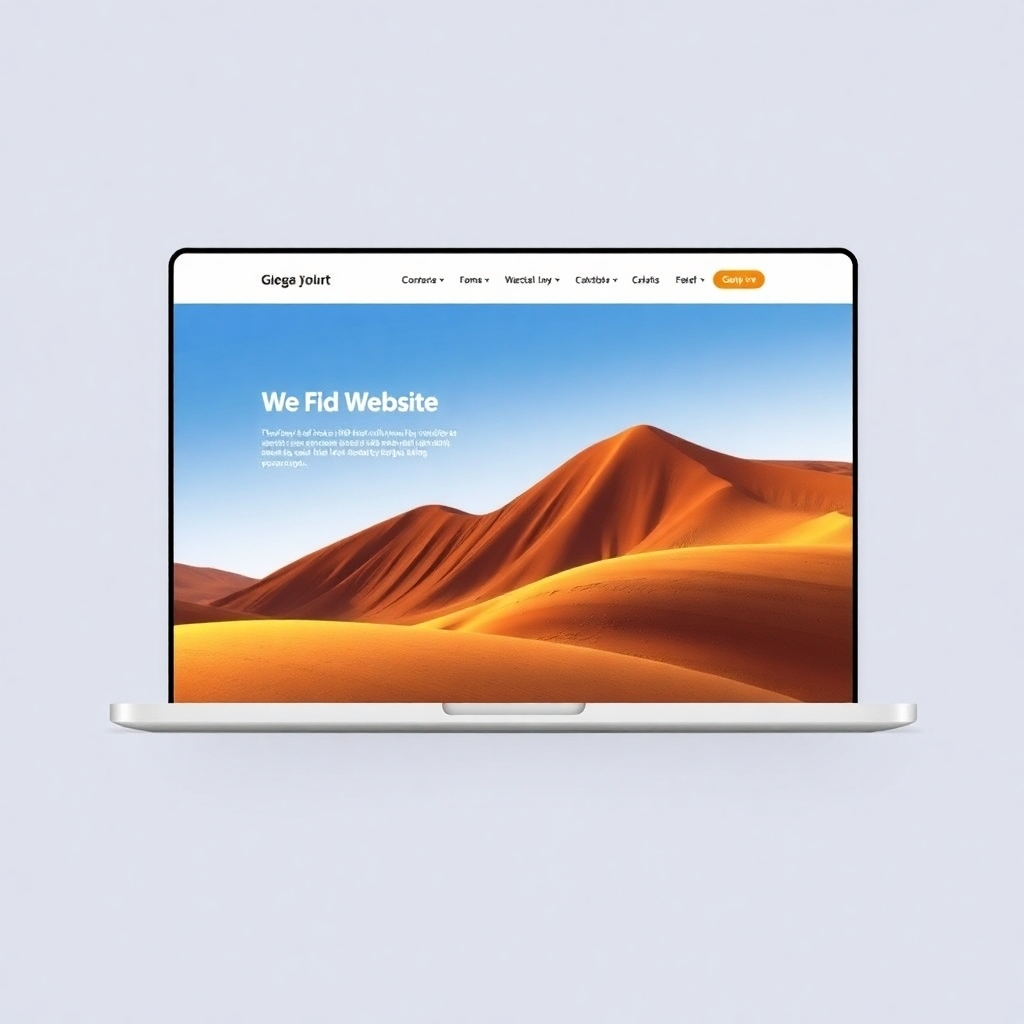
Introduction to Website Design
In the digital age, having a strong online presence is no longer optional. A website is the face of a business, organization, or personal brand. But what separates an average website from an excellent one? The answer lies in website design. Website design is about more than just aesthetics; it’s about creating a seamless, enjoyable experience for users while achieving the website’s objectives. In this blog, we’ll explore why good website design is critical and how it benefits businesses and users alike.
The Core Elements of Good Website Design
Good website design combines visual appeal, usability, and strategic functionality. Let’s break down the key elements:
Visual Appeal
The Role of First Impressions
The design of your website creates the first impression for visitors. A poorly designed site can drive users away within seconds, while an attractive, professional design encourages them to explore further.
Branding Consistency
Good design ensures consistent use of colors, fonts, and logos, which reinforces brand identity and fosters trust among visitors.
User Experience (UX)
Easy Navigation
A well-designed website prioritizes intuitive navigation, allowing users to find information quickly and effortlessly.
Mobile Responsiveness
With mobile devices accounting for over half of global web traffic, a good website design is responsive, providing a seamless experience across all devices.
Functionality and Performance
Fast Load Times
A well-designed website is optimized for speed. Slow-loading pages frustrate users and negatively impact search engine rankings.
Clear Call-to-Actions (CTAs)
Strategic placement of CTAs guides users toward desired actions, such as making a purchase, subscribing to a newsletter, or contacting a business.
Benefits of Good Website Design
Investing in quality website design yields numerous benefits for businesses and their customers:
Enhances Credibility
A professional website design signals credibility and legitimacy. Potential customers are more likely to trust and engage with businesses that present themselves professionally online.
Improves Search Engine Optimization (SEO)
Good design incorporates SEO best practices, such as proper site structure, fast load times, and mobile responsiveness, which improve visibility on search engines like Google.
Increases User Engagement
Engaging design elements, such as visuals, videos, and interactive features, keep users on your site longer and encourage them to interact with your content.
Boosts Conversion Rates
A strategically designed website guides visitors through the buyer’s journey, increasing the likelihood of converting visitors into customers.
Examples of Good Website Design Practices
Simplified Layouts
Minimalist designs with clean layouts help users focus on the essential elements without being overwhelmed.
High-Quality Visuals
Using high-resolution images and videos creates a polished look and enhances user engagement.
Accessible Design
Ensuring that your website is accessible to users with disabilities expands your audience and demonstrates inclusivity.
Common Mistakes to Avoid in Website Design
Overloading with Information
Too much information can overwhelm visitors. Stick to concise, impactful content.
Ignoring Mobile Users
Neglecting mobile optimization alienates a significant portion of your audience.
Poor Color Choices
Clashing colors or unreadable text can detract from the user experience and appear unprofessional.
Conclusion
Good website design is more than just aesthetics; it’s a strategic tool that drives business growth, enhances user satisfaction, and builds brand trust. Whether you’re launching a new site or revamping an existing one, prioritizing quality design will yield long-term benefits for your online presence. A well-designed website isn’t just good for business—it’s essential.
FAQ: Why Website Design is Good
What makes good web design important for a website?
Good web design is crucial because it directly impacts the user experience, navigation, and the overall perception of your website. When a website is designed effectively, it makes it easier for visitors to find the information they need, engage with your content, and ultimately, convert into customers. A website with good design can significantly enhance brand recognition and trust, leading to better business outcomes.
Why is web design important for businesses?
Web design is important because it helps create a professional image for your business and sets the tone for how potential customers perceive your brand. A great web design can build trust, improve user experience, and increase the likelihood that visitors will stay on your site longer and take the desired actions, like making a purchase or filling out a contact form.
How does good web design affect user engagement?
Good web design helps keep users engaged by providing clear and intuitive navigation, fast loading speeds, and a visually appealing layout. These factors ensure visitors can easily find what they’re looking for, which keeps them on your site longer and increases the chances of conversion. Responsive design plays a significant role here, making sure the website works seamlessly on both desktop and mobile devices.
What are the elements of good web design?
The elements of good web design include user-friendly navigation, fast load times, mobile responsiveness, high-quality visuals, clear calls to action (CTAs), and SEO-friendly structure. These web design elements work together to create a positive experience for users while improving search engine visibility. Ensuring that these important elements are in place can make a significant difference in how your website performs.
How can good web design help build trust?
A good design makes your website look professional, organized, and reliable. This can go a long way in building trust with your audience. When visitors feel confident in the quality of your website’s design, they’re more likely to engage with your business and trust your brand. In contrast, a poorly designed website can create doubts and may lead visitors to leave.
What should I consider when I create a website for my business?
When you create a website for your business, it’s essential to focus on good web design principles. Ensure that your website is easy to navigate, mobile-friendly, visually appealing, and fast-loading. Incorporating a call-to-action (CTA) on each page can guide visitors toward taking the next step, whether it’s making a purchase or contacting you for more information. A responsive website design ensures that your site looks great on any device, from desktop to mobile.
How does good web design help with brand recognition?
Good web design plays a critical role in brand recognition by reflecting your brand’s values, colors, and tone through its visual elements. When your website consistently aligns with your brand’s identity, it helps visitors easily recognize and remember your business. A well-designed website reinforces the image of your brand and encourages trust and loyalty over time.
Why is it important to have a responsive website?
A responsive website ensures that your website looks and functions well on all devices, including desktops, tablets, and smartphones. This is especially important as mobile traffic continues to grow. Websites that aren’t responsive can be frustrating to navigate on mobile devices, leading to high bounce rates. Responsive design improves user experience and contributes to better SEO rankings, as search engines like Google prioritize mobile-friendly websites.
What impact does good web design have on SEO?
Good web design plays a crucial role in search engine optimization (SEO). A well-structured website that follows on-page SEO best practices, like proper use of headers, keywords, and meta tags, will perform better in search engine rankings. Additionally, a website that loads quickly, has a clear navigation structure, and is mobile-responsive will allow search engine spiders to crawl and index your website more effectively, improving your visibility.
Can a redesign improve my website’s performance?
Yes, a redesign can significantly enhance your website’s performance, especially if your current site is outdated, difficult to navigate, or not mobile-friendly. A website redesign can help improve load times, user experience, and overall functionality. If you’re struggling to convert visitors into customers or your site’s appearance doesn’t reflect your brand well, it’s worth considering a redesign to stay competitive and relevant in your industry.
How do design experts contribute to creating good web design?
Design experts with years of experience in web design can ensure your website meets all the necessary criteria for success, including aesthetics, functionality, and usability. Their expertise can help you choose the right layout, visual elements, and responsive design features to provide an optimal user experience. Web design experts also have a deep understanding of SEO and digital marketing, so they can create a site that’s both visually appealing and SEO-friendly.
What are the five reasons why web design matters?
The five reasons why web design matters include:
- First impression: A website is often the first interaction potential customers have with your brand, so making a good first impression is essential.
- User experience: A well-designed site is easy to navigate, making it easier for users to find the information they need.
- Trust and credibility: Good web design can help build trust with visitors by presenting your brand in a professional and organized manner.
- SEO benefits: Good web design is essential for SEO, as search engines prioritize well-structured, fast-loading, and mobile-friendly websites.
- Conversion rates: A website with clear CTAs and a user-friendly design can help capture more leads and convert visitors into customers.
How does good web design influence digital marketing?
Good web design plays an integral role in your digital marketing efforts. A well-optimized website ensures that visitors can easily find information, which supports all your marketing campaigns. Additionally, an attractive and functional website can boost user engagement, reduce bounce rates, and help you capture more leads. This contributes directly to the overall success of your marketing campaigns.
How do web design services help small businesses?
Web design services are particularly beneficial for small businesses because they can help create a website that looks professional, functions properly, and aligns with the business’s goals. With the help of experienced web designers, small businesses can ensure their websites provide a seamless user experience, improve brand recognition, and ultimately drive more sales and customer engagement. Whether you’re launching a new website or looking to redesign an existing one, web design services can ensure that your site performs at its best.
If you’re ready to get started, contact us today to learn more about our web design and development services!



No comment