
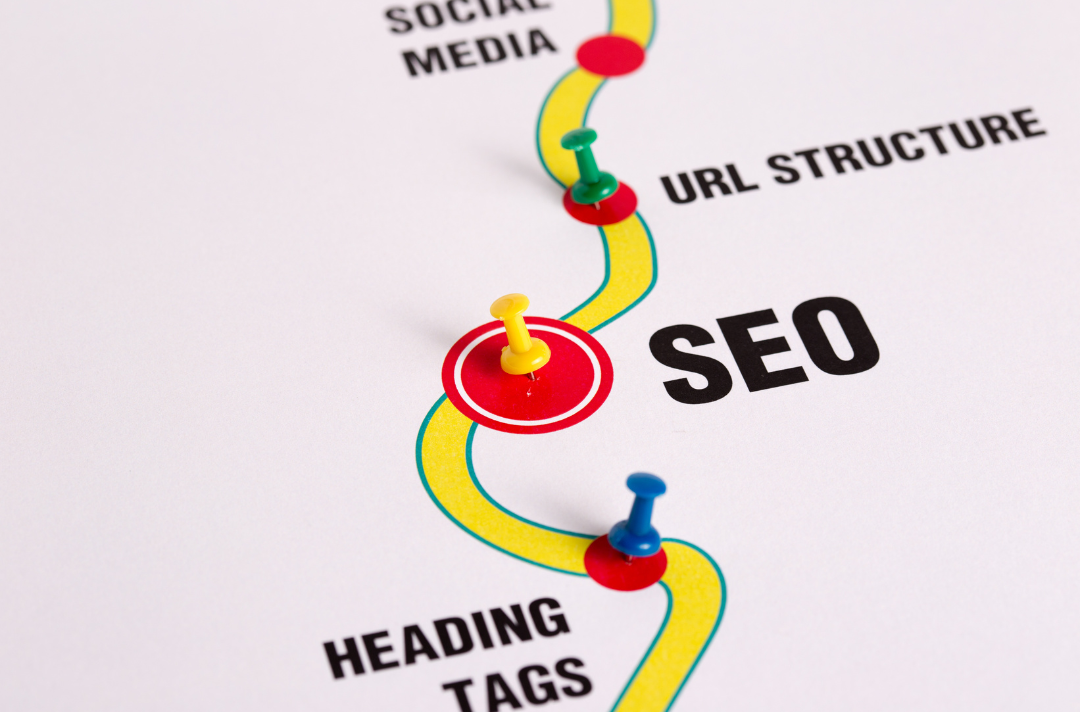
In today’s digital landscape, establishing an online presence is crucial for businesses of all sizes. However, improving your website’s visibility in search engines without spending excessively on ads can be challenging. This is where organic SEO comes into play. For companies seeking to increase their online visibility naturally, understanding the fundamentals of organic SEO is essential. If you’re based in the UK and are looking for organic SEO services London, this guide will explain how to elevate your site’s ranking without relying on paid advertising.
What is Organic SEO?
Organic SEO is the process of optimizing your website to achieve higher rankings in search engine results through natural methods, as opposed to paid search ads. The focus is on enhancing your website’s relevance to specific keywords and phrases that your target audience is searching for. This strategy improves search engine rankings without needing a direct advertising budget like PPC campaigns.
At its core, organic SEO revolves around improving your site’s structure, content, and overall relevance to search queries. It involves a mix of on-page and off-page techniques, such as optimizing web pages, improving technical elements, and generating quality backlinks.
Why Organic SEO Matters for Your Business
Organic SEO provides a long-term solution for businesses aiming to build and sustain online visibility. The benefits of focusing on organic SEO include:
- Cost-Effective: Unlike paid search ads, organic SEO doesn’t require ongoing expenditure once the foundation is established. This makes it an affordable option for businesses seeking to generate consistent traffic without needing a continuous advertising budget.
- Builds Trust and Credibility: Websites that rank highly through organic means are often perceived as more trustworthy by users. This can boost credibility and increase the likelihood of attracting clicks and conversions.
- Sustainable Traffic: Organic SEO offers sustainable traffic over time. Once your website achieves a high rank for your target keywords, the flow of traffic can continue without further investment in advertising.
- Higher ROI Over Time: Although SEO may take longer to see results compared to paid ads, the traffic it brings is often of higher quality, leading to a better return on investment in the long run.
Key Components of Organic SEO
Organic SEO comprises various elements that work together to improve your website’s visibility in search engines. Let’s explore some of the primary aspects of organic SEO that are crucial to success.
1. Keyword Research
The foundation of any effective organic SEO strategy is keyword research. This involves identifying the search terms your potential customers are using when looking for services like yours. Using a tool like Google Keyword Planner or Ahrefs can help identify high-traffic keywords such as “organic SEO services London” to target your local audience effectively.
2. On-Page Optimization
On-page optimization is the process of making individual pages on your website more search-engine friendly. Key areas of focus include:
- Title Tags and Meta Descriptions: Ensuring your title tags and meta descriptions contain relevant keywords and are attractive to users.
- Content: Writing high-quality, informative content that answers the questions your target audience is asking, while integrating your target keywords naturally.
- Internal Linking: Providing links to other pages on your site helps search engines understand its structure, improving the overall user experience.
- Image Alt Text: Adding descriptive alt text to your images enables search engines to understand the content of your visuals, which helps with rankings.
3. Technical SEO
Technical SEO focuses on improving the underlying infrastructure of your website to ensure it’s optimized for search engines. This includes:
- Site Speed: Fast-loading pages improve both user experience and search engine rankings.
- Mobile Optimization: With mobile traffic growing, making sure your website is fully optimized for smartphones is essential.
- XML Sitemaps: Sitemaps help search engines crawl your website more effectively.
- Schema Markup: Using structured data (schema markup) helps search engines understand your website content better, which can enhance your visibility in search results.
4. Content Creation
Content is the driving force behind organic SEO. Regularly publishing valuable, keyword-optimized content that engages users helps keep them on your site longer. Types of content to consider include blog posts, guides, videos, and infographics.
When creating content, it’s important to ensure that your chosen keywords, such as organic SEO services London, are used strategically and naturally. Offering insights that are specific to your location and industry can further increase your website’s relevance and ranking potential.
5. Link Building
Link building is another essential component of organic SEO. By acquiring high-quality backlinks from authoritative websites, search engines view your site as credible and relevant, which can help improve its rankings. Backlinks can be gained through guest posting, creating shareable content, and collaborating with reputable industry sites.
For competitive terms like “organic SEO services London,” backlinks from respected sources can significantly impact your position in search results.
6. User Experience (UX)
Search engines prioritize websites that offer a seamless user experience. Factors such as fast load times, simple navigation, and a clean, responsive design all contribute to improving UX, which in turn can enhance your organic SEO efforts.
A user-friendly website also encourages visitors to stay longer, reducing bounce rates and increasing engagement, both of which positively influence your rankings.
How Organic SEO Services in London Can Benefit You
If you’re based in London and seeking to improve your website’s visibility, working with professionals that specialize in organic SEO services London can make a significant difference. A local SEO provider can better understand the competitive landscape and help you develop a strategy tailored to your audience.
Typically, organic SEO services will include:
- Keyword Research and Optimization: Identifying the most relevant keywords for your business and optimizing your site around them.
- On-Page and Technical SEO: Ensuring your website’s structure, speed, and mobile usability meet the requirements of search engines.
- Content Development: Creating high-quality, relevant content that attracts organic traffic and engages visitors.
- Link Building: Acquiring backlinks from authoritative sources to boost your website’s credibility and ranking.
- Local SEO: Optimizing for local search queries to ensure your business ranks for terms like “organic SEO services London.”
The Benefits of Professional Organic SEO Services
Choosing to work with a professional SEO agency can offer many advantages, including:
- Tailored Strategies: Agencies will customize SEO strategies based on your specific business needs, helping you achieve your goals faster.
- Expertise: SEO professionals stay up-to-date on the latest trends and best practices, ensuring your website remains competitive in search engine rankings.
- Efficiency: Managing an SEO campaign takes time and effort. Hiring experts allows you to focus on other aspects of your business while they handle optimization.
- Measurable Results: SEO agencies track and analyze performance data, making adjustments as needed to optimize results over time.
Conclusion
Organic SEO is an essential strategy for any business looking to improve its online presence naturally. By implementing a mix of keyword research, on-page optimization, technical SEO, content creation, and link building, you can boost your site’s rankings and enjoy long-term, sustainable traffic.
For businesses in London, working with an agency that offers organic SEO services London can provide the local expertise needed to succeed in a competitive environment. Investing in organic SEO today can help you grow your online visibility, attract more visitors, and achieve your business goals without the need for paid ads.
FAQs: What is Organic SEO? A Guide to Boosting Your Website Naturally
1. What is Organic SEO?
Organic SEO involves optimizing your site to improve its ranking on search engines without paying for ads. This process uses on-page SEO, off-page SEO, and technical SEO techniques to help your site gain visibility in search engine results. Organic SEO focuses on ensuring your site is relevant to users and authoritative within your industry, which helps to drive more organic traffic.
2. Why does Organic SEO matter?
Organic SEO matters because it delivers long-term benefits by making your website more visible on search engines. As more users trust organic search results, focusing on organic SEO strategies helps build sustainable organic traffic and reduces dependency on paid advertising. This results in a steady flow of visitors and helps improve your overall return on investment (ROI).
3. What are the key components of Organic SEO?
The core elements of organic SEO are:
- On-page SEO: Refining the content, keywords, and structure of your website to align with search engine algorithms.
- Technical SEO: Enhancing the backend structure of your site, making it easier for search engines to index and rank.
- Off-page SEO: Strengthening your site’s reputation through backlinks and social mentions from other websites.
- Local SEO: Optimizing for region-specific queries to draw local customers.
- Content Marketing: Creating valuable content that meets the needs of your target audience, boosting both engagement and authority.
4. How does Organic SEO work?
Organic SEO work is centered on optimizing your website in alignment with search engine algorithms. Search engines analyze your site’s relevance and authority based on multiple factors like keywords, content quality, and backlinks. By adhering to SEO best practices, your website can rank higher in search results, making it easier for users to discover your content.
5. How can I optimize my website for Organic SEO?
To successfully optimize your website for organic SEO, you can follow these key steps:
- Conduct keyword research to identify search terms relevant to your business.
- Optimize your website’s content by incorporating those keywords naturally.
- Ensure your site is technically sound (e.g., fast-loading, mobile-friendly).
- Build backlinks from reputable sites to improve your domain authority.
- Continuously update your content to maintain relevance.
6. What are the benefits of Organic SEO?
The advantages of organic SEO include:
- Organic traffic: Increased visibility leads to more visits from users searching for relevant terms.
- Long-lasting results: Once you achieve higher rankings, you continue to get traffic without ongoing ad spend.
- Trust and credibility: Users are more likely to trust organic search results over paid ads.
- Cost-efficiency: Over time, organic SEO reduces the need for expensive advertising campaigns.
7. How long does it take to see results from Organic SEO?
The timeframe for seeing results from organic SEO typically ranges from 3 to 6 months. However, this depends on factors like the competitiveness of your industry, the quality of your content, and the strength of your SEO strategies. Organic SEO is a long-term approach, and while it takes time, the results are more sustainable than short-term paid ads.
8. What is the difference between Organic SEO and Paid Ads?
Organic SEO focuses on improving your website’s rankings naturally in search engine results, while paid ads allow you to buy a spot at the top of the page. While paid ads generate immediate traffic, organic SEO leads to long-term benefits, as your site continues to rank without continuous financial investment. Over time, organic SEO proves to be more cost-effective.
9. What is the role of backlinks in Organic SEO?
Backlinks are crucial for off-page SEO and are one of the key signals search engines use to evaluate the authority of a website. When authoritative sites link back to your content, search engines view this as an endorsement of your site’s credibility, helping you rank higher in search results. However, it’s important to focus on earning high-quality backlinks from trusted sources.
10. How does Technical SEO contribute to Organic SEO?
Technical SEO ensures that search engines can efficiently crawl and index your website. By focusing on things like site speed, mobile-friendliness, and structured data, you can improve your site’s visibility in search results. This technical foundation is crucial to the success of your organic SEO work because it directly impacts how well your website performs in search rankings.
11. What are some common Organic SEO techniques?
Some key organic SEO techniques include:
- Keyword optimization: Making sure your target keywords are used effectively in your content.
- Content marketing: Developing high-quality, relevant content that engages users.
- Link building: Acquiring backlinks from authoritative websites to enhance your site’s credibility.
- On-page SEO: Optimizing elements like meta tags, headers, and internal linking to improve the relevance of each page.
- Technical SEO: Ensuring your site’s architecture is search engine-friendly.
12. Can Organic SEO help drive traffic to my website?
Absolutely! Organic SEO is one of the most effective methods for driving high-quality, organic traffic to your website. By improving your visibility in search engines, you attract more visitors who are searching for the products or services you offer. As your site moves up in the search engine results, more users will click on your listings, leading to increased traffic.
13. How does Organic SEO differ from Local SEO?
Organic SEO focuses on improving your site’s overall visibility in search engines, typically on a national or global level, while Local SEO focuses on optimizing for location-based searches. Local SEO is ideal for businesses that rely on customers from specific geographic areas, helping them show up in local search engine results.
14. What SEO tools can help with Organic SEO?
There are various SEO tools that can support your organic SEO efforts, including:
- Google Search Console: A free tool that helps monitor and troubleshoot your site’s presence in Google’s search results.
- SEMrush: An all-in-one marketing tool that helps track your rankings, research competitors, and optimize your site.
- Ahrefs: A powerful tool for backlink analysis and keyword research.
- Yoast SEO: A plugin for WordPress that assists with on-page SEO optimization.
15. How can Organic SEO services in London help?
Partnering with organic SEO services in London can significantly improve your site’s visibility. These services provide strategies such as on-page SEO, technical SEO, and content development that are tailored to local and national search engine results. A specialized agency can help businesses boost their online presence and drive organic traffic consistently.




No comment