
Introduction
Search Engine Optimization (SEO) plays a vital role in enhancing a website’s visibility on search engines. For businesses aiming to thrive in the digital age, implementing effective SEO strategies is crucial for attracting potential customers.
A primary distinction in SEO lies between organic SEO and paid SEO. While paid SEO relies on advertisements to achieve top rankings, organic SEO focuses on naturally improving a website’s position in search engine results pages (SERPs).
Organic SEO is a strategic, long-term approach designed to optimize a website without paying for advertisements. This blog will dive into the fundamentals of organic SEO, its key components, benefits, and how to measure its success.
Understanding Organic SEO
1. How Search Engines Work
Crawling, Indexing, and Ranking
Search engines like Google use automated tools, commonly called “bots” or “spiders,” to crawl websites and collect data. These tools analyze website content, structure, and links, storing the gathered information in an index—a comprehensive database of web pages.
When users enter a query, search engines utilize their algorithms to retrieve and rank the most relevant results. The rankings depend on several factors, including content quality, keyword relevance, and website authority.
The Role of Algorithms
Search engine algorithms are sophisticated systems designed to evaluate websites based on multiple criteria. These algorithms determine rankings by analyzing factors such as mobile usability, page speed, keyword placement, and the quality of backlinks.
2. The Importance of Keywords
What Are Keywords?
Keywords are phrases or terms that users input into search engines to find information. They are a critical component of organic SEO, as they connect user queries with relevant website content.
Keyword Research
Keyword research is a foundational step in organic SEO. This process involves identifying relevant keywords that your target audience is searching for. Tools like SEMrush, Ahrefs, or Google Keyword Planner are useful for uncovering high-volume, low-competition keywords to drive traffic and conversions.
3. On-Page SEO
Key Elements of On-Page SEO
On-page SEO refers to optimizing individual pages on a website to improve rankings and enhance user experience. Key components include:
- Title Tags: These are clickable links displayed in search engine results and should include your primary keywords to grab user attention.
- Meta Descriptions: Short summaries beneath the title tag in SERPs, crafted to encourage clicks by providing a brief insight into the page’s content.
- Header Tags: Properly structured H1, H2, and H3 tags help organize content, improving readability and SEO.
- Image Alt Text: Adding descriptive text to images ensures search engines can understand visual elements on your site.
- URL Structure: Clean, concise, and keyword-rich URLs make navigation easier for both users and search engines.
- Content Quality and Relevance: High-quality, informative content tailored to user needs signals authority and enhances engagement.
4. Off-Page SEO
Link Building
Link building focuses on acquiring hyperlinks from external websites, which act as endorsements for your site. Search engines interpret these links as indicators of authority and credibility.
Effective Link Building Strategies:
- Guest Posting: Contributing articles to reputable websites in exchange for backlinks.
- Broken Link Building: Identifying non-functional links on other websites and offering your content as a replacement.
- Outreach: Building relationships with bloggers, webmasters, and influencers to secure valuable backlinks.
Local SEO
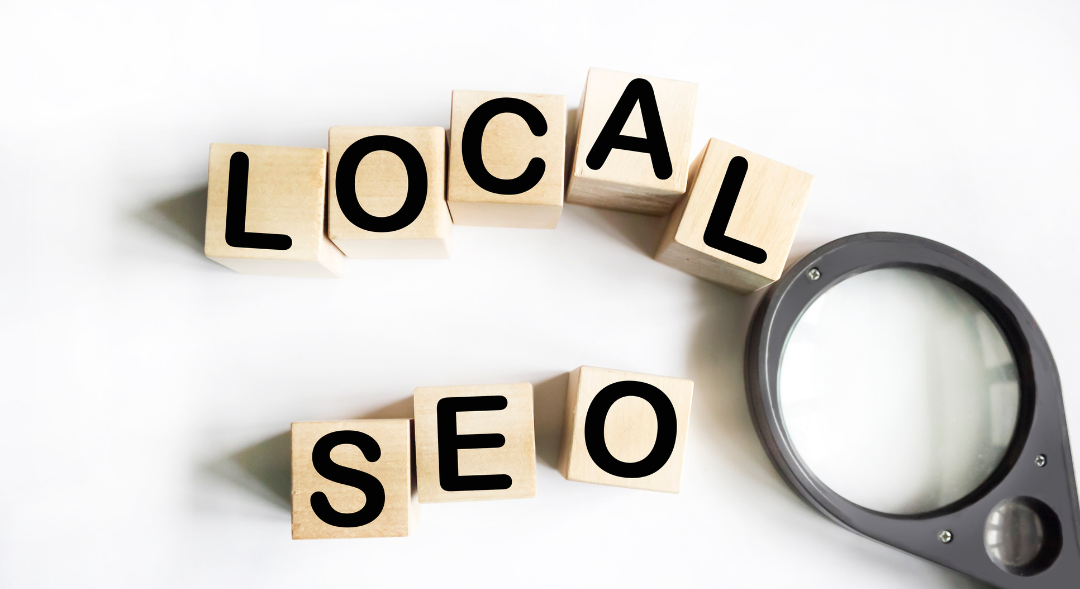
Local SEO is a specialized branch of organic SEO aimed at increasing visibility in location-based searches. This is especially beneficial for businesses targeting customers within a specific area.
Key Local SEO Factors:
- Google My Business Optimization: Maintaining a detailed and up-to-date GMB profile ensures your business appears in local searches and Google Maps.
- Local Citations: Listing your business information consistently across platforms like Yelp and Yellow Pages boosts local search credibility.
- Reviews: Encouraging satisfied customers to leave reviews enhances your reputation and local rankings.
Benefits of Organic SEO
1. Increased Website Traffic
Higher rankings in organic search results significantly increase the number of visitors to your website. Organic traffic typically has a higher engagement rate, as these visitors actively seek information or services related to your offerings.
2. Improved Brand Visibility
Appearing consistently in the top search results strengthens your brand’s presence and establishes it as an authority in your industry. Over time, users are more likely to trust your brand as a credible source.
3. Higher Conversion Rates
Organic SEO attracts highly targeted traffic. Visitors from organic search are often more likely to convert because they are specifically looking for the products or services you provide.
4. Long-Term ROI
Unlike paid ads that stop driving traffic once the budget runs out, organic SEO offers lasting results. A well-executed strategy can continue to generate traffic and conversions for years, making it a cost-effective investment.
How to Measure the Success of Organic SEO
1. Key Performance Indicators (KPIs)
What Are KPIs?
KPIs are measurable metrics that help track the success of your organic SEO efforts.
Important SEO Metrics to Monitor:
- Organic Search Traffic: The volume of visitors coming from unpaid search results.
- Keyword Rankings: Monitoring where your target keywords appear in SERPs.
- Backlinks: Keeping track of the number and quality of links pointing to your site.
- Domain Authority: A score that reflects your website’s potential to rank in search results.
2. Using Google Analytics
Google Analytics is an indispensable tool for measuring and analyzing organic SEO performance. With Google Analytics, you can:
- Track changes in organic traffic over time.
- Identify high-performing pages and optimize underperforming ones.
- Measure user behavior, such as time on site and bounce rates, to improve overall engagement.
These insights enable businesses to refine their SEO strategies and make data-driven decisions.
Conclusion
Organic SEO services are designed to enhance a website’s visibility and ranking in search engine results without relying on paid advertisements. By understanding how search engines work and implementing strategies like keyword research, on-page optimization, and link building, businesses can achieve sustainable growth.
The benefits of organic SEO, including increased traffic, enhanced brand visibility, and long-term ROI, make it an essential investment for businesses aiming to succeed in the digital world.
To achieve the best results, businesses should focus on creating a robust, long-term strategy and partnering with reputable SEO professionals. Investing in organic SEO is not just about boosting rankings—it’s about establishing a strong foundation for long-lasting success.
FAQ: What Are Organic SEO Services?https://digitalrabbit.co.uk/organic-seo-services-london/
1. What Are Organic SEO Services?
Organic SEO services focus on optimizing a website to achieve higher rankings in search engine results pages (SERPs) through natural, unpaid methods. This includes improving on-page elements like content, meta tags, and structure, as well as building backlinks and increasing site authority to drive free, organic traffic.
2. How Are Organic SEO Services Different from Paid SEO?
The key difference between organic SEO and paid SEO is that organic strategies aim to improve rankings without paying for advertisements, while paid SEO involves using ads to appear at the top of search results. Organic SEO delivers sustainable long-term benefits, while paid SEO provides quicker, but temporary, visibility.
3. Why Should I Invest in Organic SEO Services?
Investing in organic SEO services is beneficial because it creates long-term, sustainable growth. Organic results build trust and credibility with users, offering a higher return on investment (ROI) compared to paid advertising. Organic SEO is a long-lasting approach to attracting quality traffic that doesn’t require continuous spending.
4. What Does an Organic SEO Strategy Include?
A complete organic SEO strategy typically consists of:
- Keyword research to identify high-performing search terms.
- On-page optimization such as refining content, metadata, and user experience.
- Off-page SEO, particularly link building to increase domain authority.
- Technical SEO improvements for better website performance and structure.
5. How Long Does It Take to See Results from Organic SEO?
Organic SEO results generally take several months to become noticeable, depending on factors like industry competition, website age, and SEO efforts. Unlike paid SEO, which offers immediate results, organic SEO requires time and consistent effort for significant, long-term improvements.
6. Can Organic SEO Services Benefit Any Business?
Yes, organic SEO services can benefit any type of business with an online presence. Whether you’re a local business targeting customers in your area or a larger enterprise competing nationally or internationally, organic SEO helps increase visibility and attract valuable, relevant traffic.
7. How Do I Know If My Website Needs Organic SEO?
If your website isn’t ranking highly for important keywords or you’re not seeing adequate organic traffic, it may be time to consider organic SEO services. Conducting a comprehensive SEO audit can help identify weaknesses in your current approach and highlight areas for improvement.
8. Are Organic SEO Services Expensive?
The cost of organic SEO services can vary depending on factors such as website size, industry competition, and the level of service required. Generally, organic SEO is more affordable than paid advertising in the long run, as it continues to deliver traffic without the need for continuous financial investment.
9. How Do SEO Experts Measure Success in Organic SEO?
SEO professionals measure organic SEO success using several key performance indicators (KPIs), such as:
- Keyword rankings for target terms.
- Organic traffic to the website.
- The quality and quantity of backlinks.
- Conversion rates from organic visitors.
- Improvements in domain authority and overall site health.
10. Can I Handle Organic SEO Myself or Should I Hire an Expert?
While it’s possible to perform some organic SEO tasks on your own, hiring an SEO expert can help achieve more significant, faster results. Experienced professionals bring expertise, tools, and a strategic approach to optimize your site, track performance, and ensure long-term success in organic search rankings.




No comment