
Introduction
Search Engine Optimization (SEO) plays a vital role in increasing the visibility of websites and driving organic traffic. It ensures that your site appears in relevant searches, which is essential for establishing a strong online presence.
Despite its importance, many businesses are caught up in the idea of achieving a “perfect” SEO score, assuming it guarantees ultimate success.
Thesis Statement
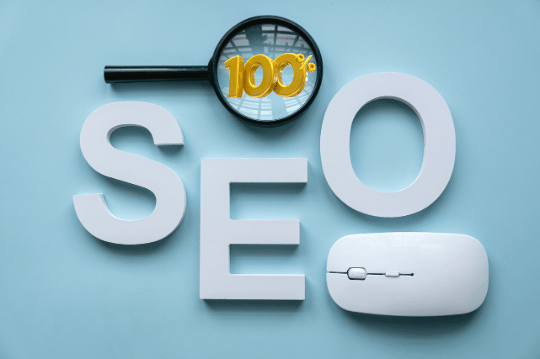
While the notion of 100% SEO perfection is unrealistic, focusing on consistent improvements can help you maximize your website’s performance, user experience, and rankings.
Understanding the Limitations of SEO
1. Evolving Algorithms
Search engines, like Google, frequently update their algorithms to provide users with the most relevant results. These changes often introduce new ranking factors or penalize outdated practices.
- The Challenge: Staying ahead of these updates is challenging, as they are unpredictable and can significantly impact rankings.
- The Solution: Instead of chasing every new update, prioritize creating high-quality, evergreen content that aligns with user intent and adheres to SEO best practices.
2. Competitive Landscape
SEO is influenced by competition within your industry. The more competitors you have targeting similar keywords, the harder it is to achieve top rankings.
- Industry-Specific Challenges: Highly competitive niches like e-commerce or finance require more extensive efforts to stand out.
- The Solution: Target a mix of high-competition and low-competition keywords while building authority within your niche through strategic content creation and link building.
3. User Experience and User Intent
Search engines prioritize user satisfaction by focusing on delivering results that meet search intent and provide an excellent user experience.
- Understanding User Intent: If your content doesn’t align with what users are searching for, it won’t rank, even if optimized technically.
- Enhancing User Experience: Poor navigation, slow load times, and confusing layouts can hurt both user satisfaction and rankings.
The Solution: Ensure your website is intuitive, responsive, and offers valuable content that directly addresses users’ needs.
Strategies for Optimizing Your Website’s SEO
1. Keyword Research
Importance of Keywords
Keywords serve as the foundation of any SEO strategy. They help search engines match your content with user queries.
- What You Need to Do: Focus on identifying relevant long-tail keywords that cater to your target audience while having moderate competition.
- How to Achieve This: Use tools such as Google Keyword Planner, SEMrush, or Ahrefs to find keywords with high search volume and lower competition.
2. On-Page SEO
Optimizing Page Elements
On-page SEO involves fine-tuning various elements on your website to enhance its visibility.
- Key Areas to Focus On:
- Title Tags and Meta Descriptions: Ensure these are keyword-rich and engaging to attract clicks from search results.
- Header Tags (H1, H2, H3): Use them to structure your content, making it easier for search engines to crawl and for readers to follow.
High-Quality Content
The core of on-page SEO is content. High-quality content:
- Answers user queries effectively.
- Engages readers with informative and actionable insights.
- Includes relevant primary and secondary keywords naturally.
3. Off-Page SEO
Building a Strong Backlink Profile
Backlinks are a key factor in SEO, signaling trustworthiness and authority to search engines.
- Effective Strategies:
- Guest Posting: Publish valuable content on other reputable websites to gain backlinks.
- Outreach: Connect with industry influencers and bloggers for collaborations.
- Content Marketing: Develop shareable content, such as infographics, to attract organic backlinks.
4. Technical SEO
Why Technical SEO is Crucial
Technical SEO focuses on improving your website’s infrastructure, ensuring search engines can crawl and index it properly.
- Key Areas to Address:
- Website Speed: Faster loading pages improve user experience and rankings.
- Mobile-Friendliness: Ensure your website is fully optimized for mobile devices.
- Site Structure: Use clear navigation, internal linking, and an XML sitemap for seamless crawling.
5. User Experience
Enhancing UX for Better SEO
Search engines consider metrics like bounce rate and dwell time to assess the value of your website.
- Steps to Improve UX:
- Simplify your website’s navigation.
- Use clear and engaging calls-to-action (CTAs).
- Optimize multimedia elements to reduce load times and maintain high-quality visuals.
Setting Realistic Goals and Measuring Success
1. Track Key Metrics
Monitoring your website’s performance is essential to evaluate the effectiveness of your SEO strategy.
- Important Metrics to Track:
- Organic Traffic: Monitor the number of visitors coming from search engines.
- Keyword Rankings: Track how your target keywords are performing.
- Conversion Rates: Measure the success of your site in turning visitors into leads or customers.
Recommended Tools
- Google Analytics: Analyze user behavior and track traffic.
- Google Search Console: Monitor keyword rankings and technical SEO issues.
2. Continuous Improvement
SEO is an ongoing process that requires regular updates and maintenance to remain effective.
- How to Stay Ahead:
- Conduct frequent SEO audits to identify and fix problems.
- Keep up with industry news and algorithm updates.
- Experiment with new strategies, such as optimizing for voice search or using structured data.
Conclusion
The idea of 100% SEO perfection is unattainable due to constantly evolving algorithms, competition, and the dynamic nature of user intent. However, this doesn’t mean that SEO is futile. By adopting a consistent and strategic approach, businesses can achieve significant results over time.
Rather than striving for perfection, focus on optimizing your website incrementally. Create valuable content, improve technical aspects, and provide an outstanding user experience to secure a competitive edge.
Remember, SEO is a long-term investment. Success lies in steady improvements and adapting to changes, ensuring your website remains visible, relevant, and valuable to both search engines and users.
FAQ: How to Get 100% SEO
What is SEO, and Why is it Important?
SEO (Search Engine Optimization) is essential for increasing your website’s visibility on search engine results pages. It helps attract organic traffic, improve ranking, and enhance the user experience. Implementing effective SEO strategies ensures that search engines understand your content, making it easier for your site to appear at the top of search results.
How Can I Optimize My Website for Better SEO?
To effectively optimize your website for SEO success, follow these tips:
- Incorporate Relevant Keywords: Use relevant keywords that align with user queries and naturally integrate them into your content.
- Enhance Loading Speed: Reduce file sizes, minimize render-blocking resources like CSS and JavaScript, and ensure a fast load speed.
- Create Valuable Content: Provide readers with engaging content that keeps them on your page, improving metrics like dwell time.
- Optimize Meta Elements: Write concise meta descriptions and titles that clearly convey the purpose of your content.
- Improve Mobile SEO: Ensure your website is mobile-friendly, as this can significantly affect your search results ranking.
What Role Does Keyword Research Play in SEO?
Researching relevant keywords is fundamental for crafting effective SEO strategies. By targeting the right terms, you can improve your search engine ranking and increase traffic to your site. Use tools like Google Keyword Planner to identify commonly searched terms and track your keyword rankings to gauge success.
How Do Backlinks Improve SEO?
Backlinks act as endorsements for your site, signaling authority and trustworthiness to search engines. When reputable sites link to your content, it improves your site’s ranking and enhances its credibility. Build backlinks by offering quality content that other websites find valuable and worth sharing.
What is the Impact of Page Load Speed on SEO?
The speed at which your site loads is critical to both SEO success and user satisfaction. A slow-loading website can lead to high bounce rates. To improve this:
- Use tools like Google’s Page Speed Insights to identify and resolve performance issues.
- Compress images and reduce their file sizes.
- Optimize render-blocking resources like JavaScript and CSS files.
A faster loading website leads to better user engagement and higher search engine rankings.
What Are Featured Snippets, and How Do I Optimize for Them?
Featured snippets are highlighted sections in search results that provide quick answers to user queries. To optimize for them:
- Use clear headings and subheadings for organization.
- Answer common questions concisely.
- Include a table of contents to make navigation easier for search engines.
Ranking in featured snippets increases your website’s visibility and drives more traffic.
How Can I Improve Dwell Time on My Website?
Increasing dwell time ensures visitors stay on your site longer, signaling to search engines that your content is valuable. Achieve this by:
- Including visual content such as images and videos to make pages engaging.
- Structuring your content with subheadings to improve readability.
- Delivering high-quality and relevant information that addresses user needs.
Improving dwell time positively impacts your SEO rankings.
Should I Update Old Content for Better SEO?
Yes, revising old content is a key component of maintaining strong SEO performance. Update older articles by:
- Adding current facts and statistics.
- Refreshing meta descriptions, titles, and relevant keywords.
- Replacing outdated links with credible, updated sources.
By keeping content fresh, you enhance its value and maintain relevance in search results.
What Tools Can Help Improve SEO?
Several tools can support your efforts toward achieving SEO mastery, such as:
- Google Analytics: Tracks user behavior and site performance.
- SEMRush: Monitors your keyword rankings and competitor strategies.
- Yoast SEO: Provides guidance for optimizing on-page elements in WordPress.
Using these tools ensures better SEO performance and identifies areas for improvement.
What Are the Best Practices for Mobile SEO?
Optimizing for mobile devices is essential in today’s digital landscape. Key practices include:
- Using responsive design to adapt content to all screen sizes.
- Compressing images to improve load speed.
- Ensuring intuitive navigation for a seamless user experience.
Strong mobile SEO enhances your site’s ranking in both desktop and mobile search results.
How Can Visual Content Enhance SEO?
Adding visual elements, such as images and videos, boosts user engagement and enhances your site’s SEO performance. Optimize these visuals by:
- Writing descriptive alt text for images.
- Reducing file sizes to improve load speed.
- Incorporating visuals that align with and enhance your message.
High-quality visual content can attract more traffic and increase your website’s visibility.



No comment