
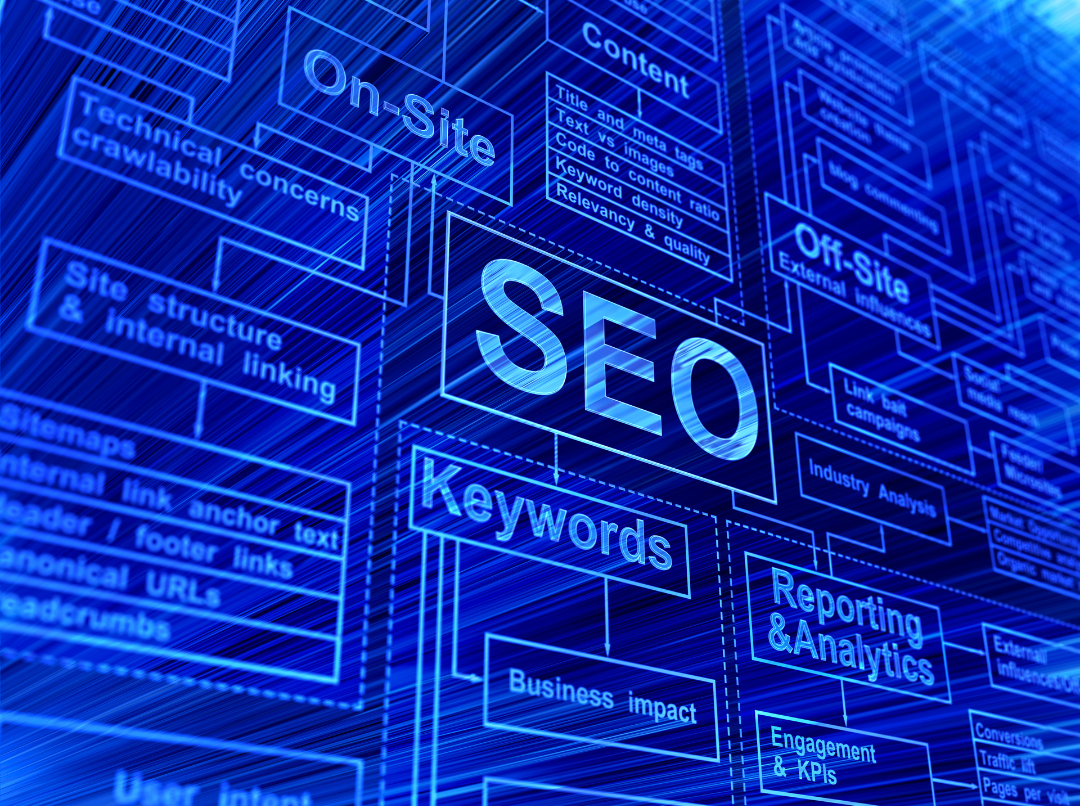
Organic SEO is a fundamental approach to boosting a website’s visibility on search engines without relying on paid advertisements. By optimizing your website’s structure, content, and backlinks, organic SEO helps improve rankings for specific keywords over time.
However, one common question arises: “How long does organic SEO take to show results?” The reality is that organic SEO requires patience and consistency. Various factors, such as website age, competition, and the quality of your SEO strategy, determine how quickly you see measurable outcomes.
Factors That Affect the Timeframe for Organic SEO Results
1. Website Age and Backlink Profile
The Role of Website Age
The age of your website significantly impacts its ability to rank on search engines. Newly created websites often take longer to build authority and gain trust from search engines. On the other hand, older websites with a track record of quality content are likely to rank more quickly.
The Importance of a Backlink Profile
A robust backlink profile can accelerate your SEO results. Backlinks from reputable and relevant websites serve as “votes of confidence” that signal your site’s trustworthiness to search engines. Building this profile takes time and effort, requiring strategies such as outreach, guest blogging, and creating shareable content. Websites with a well-established backlink profile generally experience faster results.
2. Keyword Difficulty
What Is Keyword Difficulty?
Keyword difficulty measures how challenging it is to rank for a particular keyword. Highly competitive keywords—those frequently targeted by established competitors—are harder to rank for and may require more time and resources.
How Competitive Keywords Affect Timeframes
Targeting high-competition keywords means it could take months or even years to reach the top rankings. In contrast, targeting long-tail keywords (specific and less competitive phrases) often yields quicker results while still attracting relevant traffic.
3. Quality of Content
Why Quality Content Matters
Search engines prioritize content that delivers value to users. High-quality, relevant, and engaging content can enhance your rankings and user engagement.
The Link Between Content and User Engagement
When your content addresses user intent, it keeps visitors on your page longer and encourages them to explore further. These engagement metrics play a critical role in improving rankings. Regularly creating and updating content ensures continued relevance and visibility.
4. Technical SEO
How Technical SEO Impacts Performance
Technical SEO focuses on optimizing your website’s backend to ensure smooth functionality and usability. Search engines reward websites with fast load times, mobile responsiveness, and a user-friendly structure.
Key Technical SEO Factors
- Website Speed: Websites that load slowly often see lower rankings due to poor user experience.
- Mobile-Friendliness: With mobile-first indexing, a responsive design is essential for ranking well.
- Site Architecture: A clear site structure helps search engines efficiently crawl and index your pages.
5. Consistency and Patience
The Power of Consistent Effort
SEO isn’t a one-off task. Success depends on sustained efforts such as publishing content regularly, building backlinks consistently, and monitoring website performance.
Why Patience is Essential
SEO is a long-term strategy, and results often take months to materialize. While it may feel frustrating initially, the long-term benefits of organic SEO—such as sustainable traffic and revenue—are well worth the wait.
Realistic Expectations for Organic SEO Results
Short-Term Wins
Immediate Gains Through Technical Fixes
Certain SEO improvements, like optimizing page speed, fixing broken links, or enhancing your website’s structure, can deliver immediate results. These “quick wins” may result in minor ranking improvements, especially for less competitive keywords.
Local SEO Strategies
For businesses targeting local search, optimizing your Google Business Profile or improving local citations can lead to faster visibility in your area.
Medium-Term Gains
Progress with Competitive Keywords
Ranking for moderately competitive keywords often takes three to six months, depending on your strategy’s consistency. Building backlinks and regularly publishing content are crucial during this phase.
Steady Growth in Traffic
In the medium term, you’ll notice an increase in organic traffic as your website starts ranking for a wider variety of relevant keywords, especially long-tail phrases.
Long-Term Benefits
Consistent and Sustainable Traffic
After 6–12 months of focused effort, many websites achieve consistent rankings for primary and secondary keywords. This sustained traffic growth becomes a key driver of leads, conversions, and sales.
High ROI and Revenue Potential
As organic SEO continues to generate traffic, the long-term benefits include reduced dependency on paid ads and a strong return on investment (ROI). Organic SEO delivers consistent results over time without ongoing ad spend.
Tips to Accelerate Organic SEO Results
Prioritize High-Quality Content
Producing content tailored to your audience’s needs is a critical step for SEO success.
- Conduct keyword research to identify terms that align with user intent.
- Write in-depth content that provides value and answers user queries comprehensively.
- Optimize your titles, meta descriptions, and alt tags to enhance your content’s visibility.
Build Strong Backlinks
Building high-quality backlinks is essential for improving your domain authority.
- Use guest posting on reputable websites to gain authoritative backlinks.
- Engage in strategic outreach campaigns to connect with influencers or partners.
- Promote your content on social media platforms to encourage natural backlinking.
Monitor and Analyze Performance
Tracking your SEO efforts helps you refine your strategy.
- Use tools like Google Analytics to measure traffic, bounce rates, and conversion rates.
- Monitor keyword rankings to understand which terms drive the most traffic.
- Regularly assess your competitors’ performance to uncover new opportunities.
Be Patient and Persistent
Consistency and persistence are fundamental to organic SEO success.
- Maintain regular content updates to stay relevant.
- Invest in long-term strategies that prioritize gradual growth.
- Celebrate small milestones, such as improved click-through rates, as they indicate progress.
Conclusion
The time it takes for organic SEO to work depends on several factors, including the age of your website, the difficulty of your target keywords, and the quality of your SEO strategy. While some quick wins may be evident within weeks, significant growth typically takes 6–12 months or more.
Organic SEO is a long-term investment that delivers sustainable traffic and cost-effective results. To succeed, businesses must focus on creating valuable content, building strong backlinks, and optimizing their site’s technical performance. Patience and consistency are critical to reaping the long-term rewards of organic SEO.
For those looking to accelerate their results, investing in professional SEO services can provide expert guidance and support. By taking a strategic and committed approach, businesses can unlock the full potential of organic SEO for long-term growth and success.





No comment