
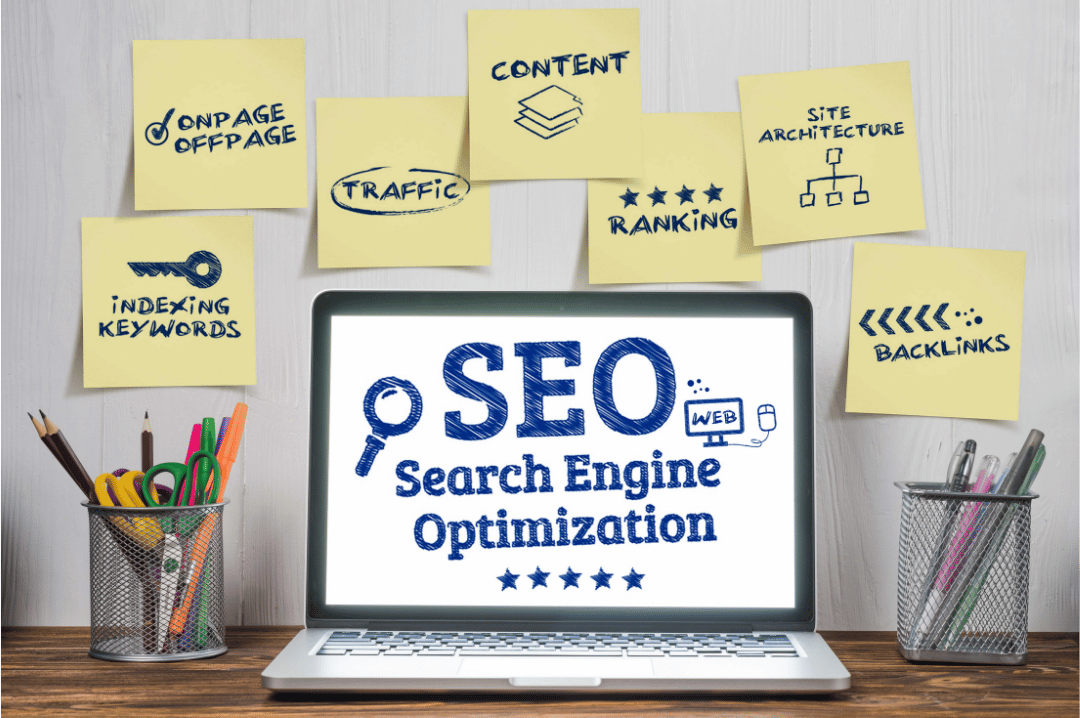
When it comes to increasing your online visibility, the debate between organic SEO and paid SEO is a constant challenge for businesses. Both strategies aim to improve your website’s position on search engine results pages (SERPs), but they take entirely different approaches. Organic SEO focuses on earning rankings through natural methods, while paid SEO relies on paid advertisements to achieve instant visibility.
The question often arises: is one better than the other? The truth is that both organic SEO and paid SEO have unique advantages and limitations. This blog will explore their key differences and how you can benefit by combining the two strategies.
Understanding Organic SEO
How Organic SEO Works
Organic SEO refers to methods used to naturally improve your website’s rankings on search engines without the use of paid ads. Search engines assess websites based on several criteria, including:
- Content Quality: Publishing relevant and valuable content that aligns with user search intent.
- Backlinks: Building a network of credible and authoritative links from external sites.
- Technical SEO: Optimizing the website’s infrastructure, such as improving page speed, ensuring mobile compatibility, and enhancing crawlability.
When these components are properly executed, your site can gradually climb the rankings, attracting more organic traffic.
Benefits of Organic SEO
1. Long-Lasting Results
One of the most significant advantages of organic SEO is its sustainability. Unlike paid campaigns that require ongoing investments, once you establish your rankings, traffic continues to flow without additional costs.
2. Builds Credibility
Websites that rank organically are often perceived as more trustworthy by users. Appearing naturally in SERPs signals that your website provides value and is relevant to user queries.
3. Cost-Effective Over Time
Although the upfront effort and time commitment for organic SEO are high, the long-term return on investment is considerable since there are no recurring ad expenses.
Understanding Paid SEO
How Paid SEO Works
Paid SEO, commonly referred to as PPC (Pay-Per-Click) advertising, involves purchasing ads to display your website prominently on search engine results pages. Platforms like Google Ads operate on a bidding system, where advertisers bid on specific keywords. Key elements include:
- Keyword Bidding: Choosing relevant keywords and setting a bid amount for each click.
- Campaign Monitoring: Analyzing performance metrics to optimize campaigns.
- Ad Spend: Allocating budgets to maintain visibility and control costs.
This strategy is ideal for achieving quick results and targeting highly specific audiences.
Benefits of Paid SEO
1. Instant Traffic
Paid SEO provides immediate exposure. The moment your ad goes live, your website appears at the top of search results, bringing in instant traffic.
2. Precision Targeting
With paid SEO, you can customize who sees your ads by targeting specific demographics, geographic areas, and user behaviors.
3. Flexibility
Paid campaigns allow you to scale budgets up or down based on performance, giving you control over your ad spend and visibility.
Comparing Organic and Paid SEO: A Detailed Comparison
| Feature | Organic SEO | Paid SEO |
| Cost | Lower long-term costs | Higher initial and ongoing costs |
| Time to Results | Takes time to see significant results | Provides results almost instantly |
| Sustainability | Long-lasting impact | Results stop when the budget ends |
| Credibility | Builds brand authority over time | Viewed as promotional by some users |
| Control | Limited control over rankings | Greater control over placements |
A Combined Approach: Harnessing the Best of Both
The Synergy Between Organic and Paid SEO
Integrating organic SEO with paid SEO offers a balanced approach that leverages the advantages of both strategies. For instance:
- Boost Organic Content with Paid Ads: Use paid campaigns to drive traffic to high-performing organic content, increasing engagement and rankings.
- Enhance Keyword Research: Paid ads can help identify which keywords perform well, allowing you to tailor your organic SEO strategy.
- Strengthen Retargeting Efforts: Retarget users who initially arrived via organic search with paid ads to convert them into customers.
By combining the two, you can establish both short-term visibility and long-term sustainability.
Practical Strategies for Combining Organic and Paid SEO
1. Use Paid Ads to Promote Evergreen Content
Direct traffic to evergreen blog posts, guides, or case studies through paid SEO. This approach increases visibility and can improve organic rankings over time.
2. Leverage Retargeting
Create retargeting campaigns targeting users who visited your site through organic SEO but didn’t take action. These campaigns can nudge them toward conversion.
3. Test Keywords Before Investing in Organic SEO
Paid SEO campaigns provide immediate insights into keyword performance. Use this data to prioritize keywords for long-term organic SEO efforts.
4. Align Both Strategies with Your Marketing Goals
Ensure that your organic SEO and paid SEO strategies are integrated with your broader digital marketing plan. A cohesive approach maximizes reach and ROI.
Conclusion
Choosing between organic SEO and paid SEO isn’t a matter of selecting one over the other. Instead, the two work best when used together to create a comprehensive SEO strategy.
Key Points to Remember:
- Organic SEO is a long-term investment that builds credibility, reduces costs over time, and provides sustainable results.
- Paid SEO delivers immediate traffic, precise targeting, and greater control, making it ideal for short-term campaigns or testing new markets.
- A combined approach ensures that your business benefits from both quick wins and steady growth.
Whether you’re focused on building a solid foundation with organic SEO or driving rapid results with paid SEO, consulting with experienced SEO professionals can help you tailor the perfect strategy for your goals. Start by evaluating your business needs, resources, and objectives to create a plan that maximizes your online presence.
FAQ:
What is the difference between organic and paid search?
The difference between organic and paid search is rooted in how your website is presented in search engine results. Organic search focuses on improving your website’s relevance through SEO strategies like content creation, backlinks, and on-page optimization to rank naturally. On the other hand, paid search involves paying for ads to secure top spots on the search engine results pages (SERPs) for specific search terms. While organic search is free, it requires ongoing optimization, whereas paid search delivers immediate results but requires continuous investment.
What are the benefits of organic search vs paid search?
The benefits of organic search vs paid search vary based on your business goals. Organic search offers long-term, sustainable benefits, ensuring your website remains visible in search engine results without continuous costs. It builds trust and authority, which can generate consistent traffic. Paid search, however, provides quick visibility for targeted keywords and offers flexibility in adjusting campaigns. It’s ideal for driving immediate traffic but requires regular investment to maintain the results.
Which is more effective: organic vs paid search?
When deciding between organic vs paid search, the effectiveness depends on your marketing strategy. If you’re looking for long-term growth and sustained traffic, organic search will likely deliver better results. It may take time to rank but offers continuous organic growth. In contrast, paid search can deliver immediate results, making it a suitable option for businesses that need fast visibility or are running time-sensitive campaigns.
How does organic search compare to paid search in terms of cost?
Organic search is more cost-effective in the long term. Though search engine optimization requires an upfront investment in time and resources, it does not involve ongoing expenses for ads like paid search. The cost of paid search is dependent on bidding for search terms and can be quite high, especially in competitive industries. While paid search can bring quick traffic, organic search provides a more sustainable and cost-efficient solution for long-term visibility.
What are the benefits of organic search and paid search combined?
Using both organic search and paid search offers the best of both worlds. Paid search can provide immediate visibility, driving targeted traffic to your website, while organic search helps establish credibility and long-term results. By combining both strategies, you can increase your search engine visibility in the short term and work towards building a strong organic presence for sustained growth.
What is the difference between organic search and paid search in terms of results?
The difference between organic search and paid search results lies in their generation. Organic search results are earned through optimized content and effective SEO strategies, taking time to climb the ranks. Paid search results, on the other hand, offer immediate visibility but stop as soon as the budget runs out. Paid search places your website at the top of SERPs through paid ads, while organic search results depend on your content’s relevance and optimization.
Should I use organic search or paid search?
The decision of whether to use organic search or paid search depends on your immediate needs and long-term strategy. If you’re looking for immediate results, paid search might be more effective in getting visibility quickly. However, if you aim to build a long-term presence and sustainable traffic, organic search is the better option. Many businesses benefit from a hybrid approach, combining both to maximize results.
How do organic search results compare to paid search results in terms of user trust?
Organic search results often gain more trust from users because they appear based on the site’s relevance and not by paying for ads. People tend to trust organic search results more as they view them as unbiased and earned, while paid search results are often seen as advertisements. Over time, organic search builds credibility, driving higher engagement and trust with users.
Does investing in organic search provide a better return on investment (ROI) than paid search?
Organic search tends to offer a higher ROI over the long term because once your website ranks high, it can generate consistent, free traffic. Unlike paid search, which requires constant funding to maintain traffic, organic search continues to yield results without ongoing costs. The ROI from organic search increases over time as your website gains more authority and credibility.
How does organic search help with search engine rankings?
Organic search contributes significantly to search engine rankings by optimizing your website’s content, ensuring relevance, and meeting the criteria set by search engine algorithms. Through consistent SEO efforts, you can achieve higher rankings and more visibility in search engine results. Unlike paid search, where rankings depend on your budget, organic search rankings are determined by your content’s quality and SEO practices.
How can I use organic search to your advantage in digital marketing?
To use organic search to your advantage in your digital marketing strategy, focus on creating high-quality content tailored to your target audience’s search terms. Implement SEO best practices like proper keyword integration, creating backlinks, and enhancing your site’s user experience. By consistently optimizing your website, you can rank higher in organic search results and build a strong, sustainable online presence.
Is organic search better for search engine optimization than paid search?
For search engine optimization, organic search is far superior to paid search. While paid search can get your website visible quickly, it doesn’t contribute to long-term SEO efforts. On the other hand, organic search requires ongoing SEO optimizations but helps improve your site’s performance in the long run, leading to higher search engine rankings and consistent traffic.




No comment